Adult vaccination: Belgian schedule 2026 and INAMI reimbursement
Vaccines recommended for adults in Belgium in 2026 by the Superior Health Council: tetanus-whooping cough, flu, COVID-19, shingles, pneumococcus, RSV, HPV.
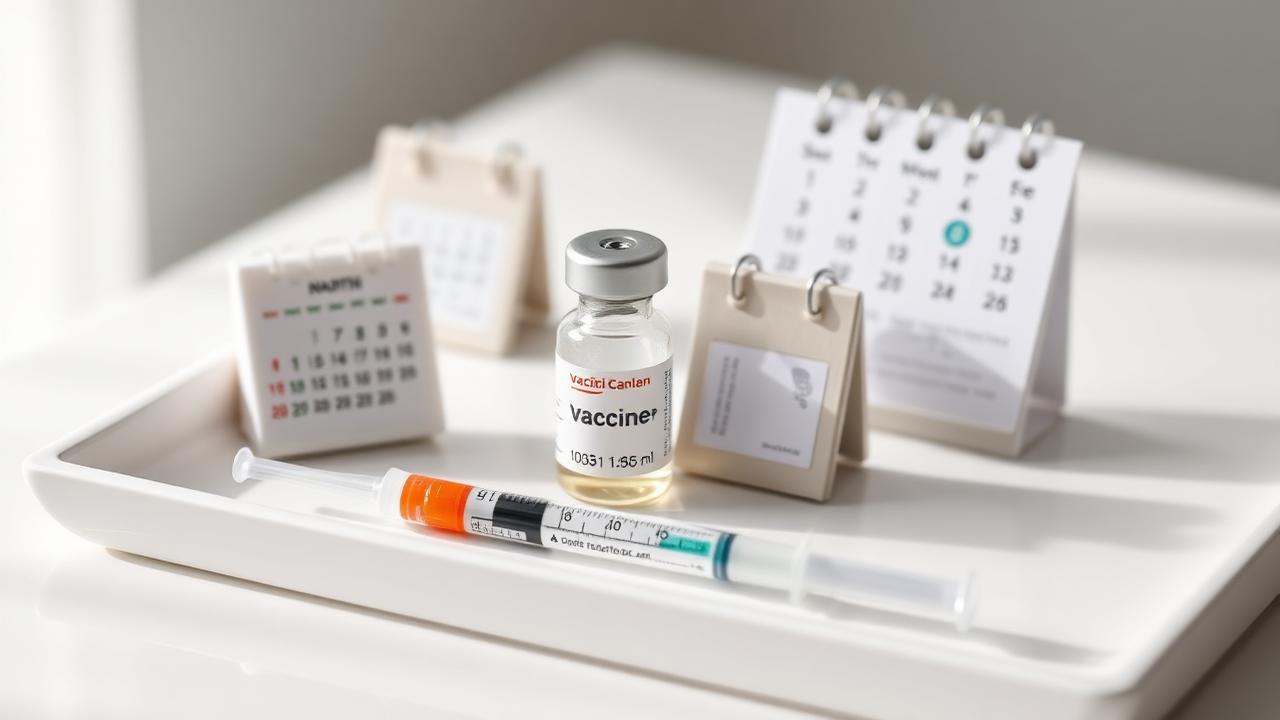
Why get vaccinated as an adult?
Some vaccines need boosters (tetanus, whooping cough), others are aimed specifically at adults (shingles, pneumococcus, RSV), pregnancy or travel. Below are the recommendations of the Belgian Superior Health Council (SHC/CSS) in force in 2026.
Vaccines recommended at every adult age
Tetanus, diphtheria and whooping cough (dTpa)
The SHC recommends a booster every 10 years, with a combined vaccine that includes whooping cough. Most adults buy it at the pharmacy on prescription; it is only reimbursed in specific cases (future parents, under conditions): check with your health insurance fund (mutualité).
Seasonal flu
From mid-October, vaccination is recommended as a priority from age 65, in nursing homes, during pregnancy, with a chronic condition, for healthcare workers and household members of people at risk; with a lower priority, from 50 to 64. For the risk groups the vaccine is reimbursed in category B (a small co-payment remains); from 65, the SHC prefers an enhanced vaccine (high-dose or adjuvanted), which is also reimbursed.
COVID-19
One dose in autumn, ideally with the flu vaccine, is recommended from age 65, for people at risk (nursing home, chronic condition, weakened immunity, severe obesity, pregnancy with a chronic condition) and for healthcare workers. The vaccine is made available by the Communities.
Vaccines depending on age or situation
Shingles
The SHC recommends the recombinant vaccine (Shingrix, two doses at least two months apart) from age 60 and for immunocompromised adults. INAMI only reimburses it for some of them (cancer treated in the last five years, HIV, transplant), with the medical adviser's approval; otherwise you pay for it yourself.
Pneumococcus
Since December 2025, the SHC recommends a single dose of conjugate vaccine, PCV20 (Prevenar 20) or PCV21 (Capvaxive), for all adults from 65 and, between 18 and 64, when there is a risk factor (weakened immunity, chronic disease, diabetes, smoking…). The two-step schedule with Pneumovax 23 and boosters are no longer recommended. Some adults at risk receive partial reimbursement, under conditions.
Respiratory syncytial virus (RSV)
A single dose is recommended from age 75, and from 60 when there is a risk factor (chronic heart or lung disease, weakened immunity, nursing home…). Arexvy is reimbursed from 65 in a nursing home or with a risk factor. A pharmacist cannot prescribe or give it.
HPV (human papillomavirus)
At school, vaccination is offered in the 2nd year of secondary school (age 13-14) in French-speaking education and in the 1st year (age 12) in Dutch-speaking education. For unvaccinated adults, Gardasil 9 has been reimbursed since 1 June 2026 from age 19 to 30 (three doses), and up to 45 in certain risk groups (HIV, transplant).
Meningococcus
ACWY and B vaccines are recommended for people without a spleen or with certain immune deficiencies; ACWY is also advised before travel to a risk area and around age 15-16 (on prescription).
Travel vaccines
Depending on the destination: hepatitis A and B, yellow fever (required by some countries), typhoid, Japanese encephalitis, rabies… See a doctor well in advance. The yellow fever vaccine is given in approved travel clinics, including several in Brussels and the Institute of Tropical Medicine (ITM) in Antwerp (Wanda website).
During pregnancy
The dTpa vaccine is recommended in every pregnancy, between 24 and 32 weeks, to protect the newborn against whooping cough (vaccine supplied by the Wallonia-Brussels Federation programme), as is the flu vaccine, in any trimester. The RSV vaccine (Abrysvo) is given between 28 and 36 weeks, preferably if the baby is due between early September and the end of January; it is reimbursed with the medical adviser's approval. Otherwise the baby can receive a protective antibody (nirsevimab). The MMR vaccine (measles-mumps-rubella) is contraindicated during pregnancy: check your immunity before conception and avoid becoming pregnant in the four weeks after this vaccine.
How do I know where I stand?
Bring your vaccination booklet to your next appointment at Maison Médicale Parc Astrid. The official portal masante.belgique.be / mijngezondheid.belgie.be shows the vaccines registered in your name, but this overview may be incomplete.
For registered patients, general practice consultations are covered by the INAMI flat-rate system (no payment per consultation); the vaccine follows its own reimbursement rules (see our vaccinations page). At Maison Médicale Parc Astrid, this follow-up is available in French, Dutch, English and Turkish (meet our team).
Sources
- Superior Health Council – Seasonal influenza vaccination 2026-2027, advice 9897 (2026)
- BCFI/CBIP – Prevention of viral respiratory infections in adults, winter 2026-2027 (2026)
- BCFI/CBIP – Pneumococcal vaccination in adults: new SHC advice (2026)
- Vaccination-info.be – Diphtheria, tetanus, whooping cough (dTpa) (2025)
- Vaccination-info.be – RSV: infants and pregnant women (2026)
- Vaccination-info.be – HPV vaccination (2026)
Reviewed and validated by
Read next
24 October 2026
Blood test: fasting or not? Preparation and results
Do you need to fast before a blood test? Cholesterol, blood sugar, medicines, what to expect and your results: our advice in Anderlecht.
Read17 October 2026
Vitamin D in winter: who needs a supplement in Belgium?
Vitamin D in winter in Belgium: why your skin makes so little, who needs a supplement, which dose, when to test and how to avoid an overdose.
Read
9 March 2026
Seasonal flu: should you vaccinate your children in Anderlecht?
Flu 2026-2027: which children Belgium's Superior Health Council recommends vaccinating, when (from mid-October) and how to do it in Anderlecht.
Read