High blood pressure: understanding, screening and treatment in 2026
High blood pressure: thresholds, screening, home monitoring and treatment under the 2024 European (ESC) guidelines, with follow-up at our medical centre in Anderlecht.
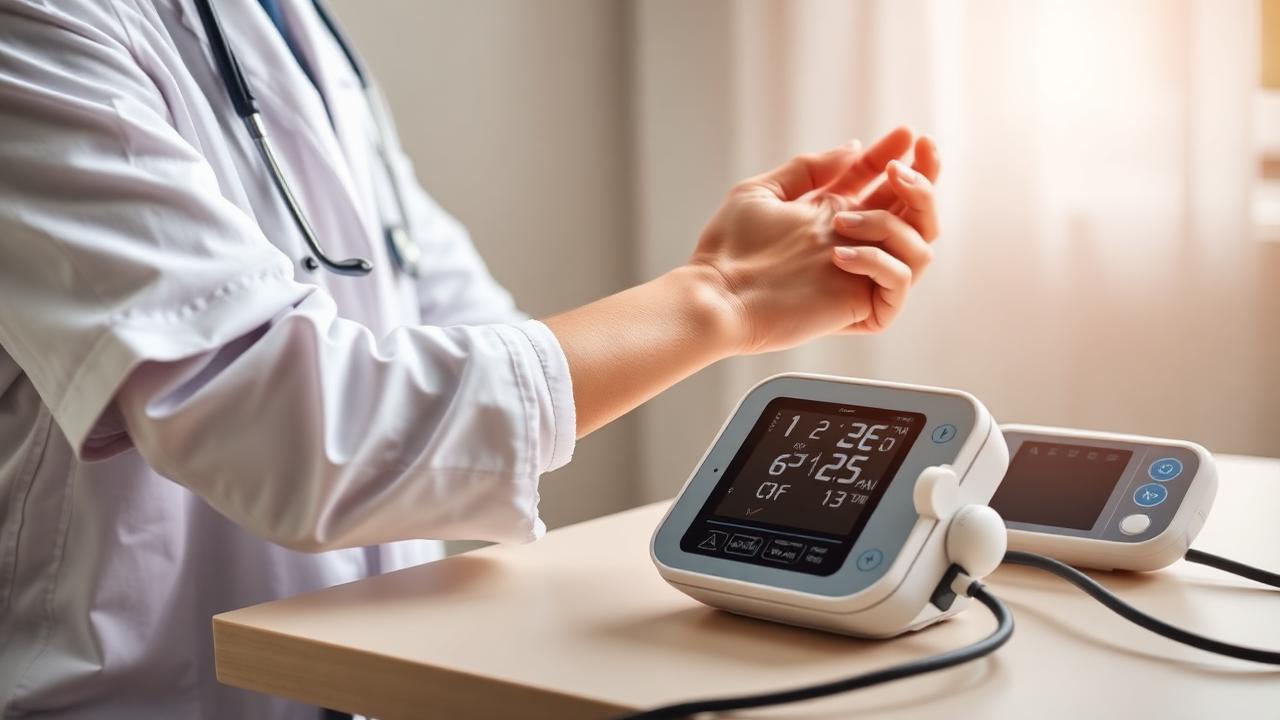
1. What is high blood pressure?
High blood pressure (hypertension) means that the pressure of the blood in the arteries is too high. Measured in millimetres of mercury (mmHg), it is expressed as two numbers: the systolic pressure (the peak, when the heart contracts) and the diastolic pressure (the lowest point, between beats). Under the 2024 guidelines of the European Society of Cardiology (ESC), hypertension is defined as 140/90 mmHg or more in the doctor's office, or an average of 135/85 mmHg or more with home monitoring. Between 120/70 and 139/89 mmHg in the office, the ESC speaks of ‘elevated blood pressure’.
In Belgium, Sciensano's 2018 Health Examination Survey found hypertension in about 43% of adults aged 40 to 79. More than four in ten had not been diagnosed, and fewer than a quarter had their blood pressure under control. Left untreated, hypertension increases the risk of stroke, heart attack and kidney damage.
2. Warning signs to watch for
Hypertension is nicknamed ‘the silent killer’: most people with high blood pressure feel no symptoms at all, which is why only a blood pressure measurement can detect it. When blood pressure is very high, some signs may appear:
- severe headaches
- dizziness
- ringing in the ears
- nosebleeds
- changes in vision
- chest pain, shortness of breath, palpitations
A reading of 180/110 mmHg or higher should prompt a check for a hypertensive emergency. If it comes with chest pain, severe breathlessness, vision problems or neurological signs (weakness or paralysis, slurred speech, confusion), call 112.
3. How to screen for it?
Screening relies on regular blood pressure checks. The 2024 ESC guidelines recommend a check at least every 3 years before the age of 40, and every year from 40 onwards or if your blood pressure is elevated.
To confirm the diagnosis, measurements outside the office are recommended. With home monitoring, you take two readings in the morning and two in the evening, 1 to 2 minutes apart, for at least 3 and up to 7 days, and the average is then calculated. ABPM (24-hour ambulatory monitoring) is the other option, especially when white-coat or masked hypertension is suspected. The initial work-up usually includes a blood test (kidney function, potassium, blood sugar, cholesterol), a urine test and an electrocardiogram.
4. What are the treatments?
Management rests on two inseparable pillars: lifestyle measures and, if needed, medication.
The 2024 ESC guidelines include: limiting salt to about 5 g a day (under 2 g of sodium), at least 150 minutes of moderate-intensity physical activity a week (or 75 minutes of vigorous activity), aiming for a healthy weight, eating more fruit and vegetables (potassium helps lower blood pressure, except in advanced kidney disease), cutting down on alcohol and stopping smoking.
For medication, the ESC recommends that most patients start straight away with a low-dose combination of two drugs, ideally in a single pill: a renin-angiotensin system blocker (ACE inhibitor or ARB) combined with a calcium channel blocker or a diuretic. Beta-blockers are used when there is a specific reason, such as angina or certain types of heart failure. For most people on treatment, the target is a systolic pressure of 120 to 129 mmHg, provided it is well tolerated.
5. Follow-up at Maison Médicale Parc Astrid
Once treatment has started, your GP organises structured follow-up: frequent checks at first to make sure the treatment works and is well tolerated, then regular checks once your blood pressure is stable, with periodic blood and urine tests.
Our multidisciplinary team supports you: loan of a validated blood pressure monitor for home readings, patient education with our nursing team, personalised nutritional advice and coordination with a cardiologist or nephrologist when needed. For registered patients, this follow-up takes place under the flat-rate system: no payment at the consultation; your health insurance fund pays the practice a monthly flat fee.
Sources
- ESC – 2024 ESC Guidelines for the management of elevated blood pressure and hypertension, European Heart Journal (2024)
- Bos P. et al. – Unravelling the Belgian cascade of hypertension care (data from Sciensano's 2018 Belgian Health Examination Survey), BMC Public Health (2024)
- WHO – Hypertension, fact sheet (2025)
Reviewed and validated by
Read next
4 October 2026
Ramadan 2027 and chronic illness: fasting safely
Diabetes, blood pressure, heart, kidneys, pregnancy: prepare for Ramadan with your doctor, adjust your treatment and know when to break the fast.
Read
24 April 2026
Hypothyroidism: recognising, screening and treating it in 2026
Tiredness, feeling cold, weight gain: when should you think of your thyroid? TSH testing, levothyroxine treatment and follow-up, based on NICE and ATA guidance.
Read
8 December 2025
Type 2 diabetes: follow-up at a flat-rate medical centre
Type 2 diabetes in Anderlecht: the care team, current targets, the start-up and care pathways, and what the INAMI flat rate covers.
Read