Type 2 diabetes: follow-up at a flat-rate medical centre
Type 2 diabetes in Anderlecht: the care team, current targets, the start-up and care pathways, and what the INAMI flat rate covers.
A common condition that needs long-term follow-up
In Belgium, 7.6% of the population had diagnosed diabetes in 2023, and more than one in three people with diabetes are unaware of it (Sciensano). Type 2 diabetes needs regular, coordinated follow-up throughout life.
A team around you
At Maison Médicale Parc Astrid, your GP coordinates your follow-up and adjusts your treatment. The nursing team supports you, for example with measuring your blood glucose or learning to inject. Depending on your needs, we refer you to a dietitian, a podiatrist, an ophthalmologist or an endocrinologist-diabetologist, and we stay in touch with them.
For registered patients, GP and nursing consultations at the medical centre are covered by the INAMI flat rate: you do not pay per consultation. Everything else is outside the flat rate: blood tests are billed by the laboratory, and physiotherapy, dietetics, podiatry, medicines and specialists follow their own reimbursement rules.
Start-up pathway and care pathway
Since 1 January 2024, the start-up pathway (trajet de démarrage) has replaced the former pre-pathway for early type 2 diabetes. Your GP can start it as soon as the diagnosis is made. On prescription, it gives full reimbursement of:
- up to 4 diabetes education sessions per year, individual or in groups;
- 2 dietetic sessions of 30 minutes per year;
- 2 podiatry sessions of 45 minutes per year if your feet are at increased risk.
The type 2 diabetes care pathway (trajet de soins) is for more advanced diabetes: 1 or 2 insulin injections a day, or tablets that are no longer enough when insulin is being considered (this includes treatment with a GLP-1 analogue). Signed with your GP and an endocrinologist-diabetologist, it provides up to 5 education sessions per year, the same dietetic and podiatry sessions and, if you are on insulin or a GLP-1 analogue, a glucose meter every 3 years plus 150 test strips and 100 lancets every 6 months. In both pathways, the annual oral examination at the dentist is reimbursed without a patient co-payment.
Targets agreed with you
- HbA1c: often below 7%, lower if this is possible without hypoglycaemia, and less strict (for example below 8%) for a frail older person. It is measured at least twice a year, and about every 3 months if the target is not met or after a change in treatment.
- Blood pressure: generally below 130/80 mmHg; the 2024 European guidelines aim for a systolic pressure of 120 to 129 mmHg if well tolerated, with an adapted target in old age or frailty.
- LDL cholesterol: depending on cardiovascular risk, often below 70 mg/dL, and below 55 mg/dL if you have cardiovascular disease.
- Annual checks: eyes, feet, blood and urine (kidneys); vaccination against flu (every year) and against pneumococcus.
Measuring your blood glucose at home
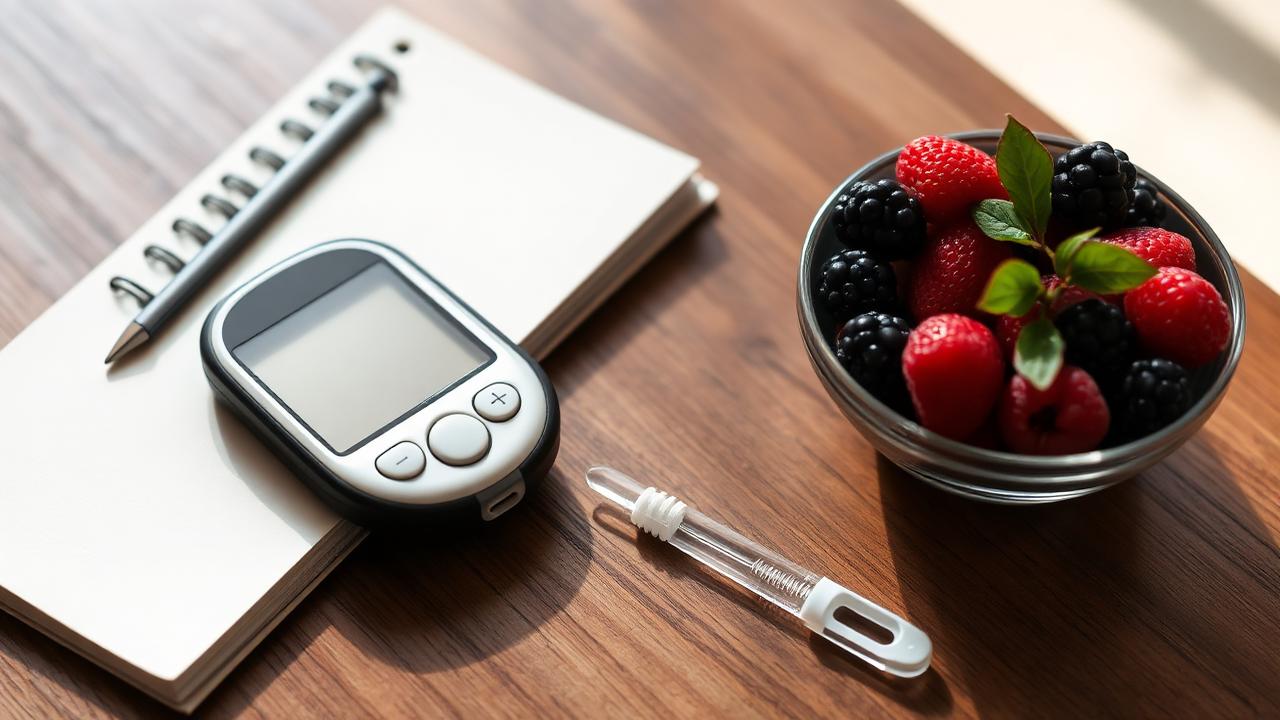
On metformin alone, regular finger-prick tests are generally not needed. They are useful if you take insulin, have hypoglycaemia, or take a sulphonylurea and drive. With one long-acting insulin injection a day, fasting glucose is mainly used to adjust the dose; with several injections, measurements are more frequent or done with a sensor. In Belgium, sensors are fully reimbursed within a programme at a specialised centre, notably for type 2 diabetes treated, in principle, with at least 3 insulin injections a day.
Newer treatments
Metformin often remains the first choice. In people with cardiovascular disease or at high risk, some GLP-1 analogues (liraglutide, semaglutide, dulaglutide) and some gliflozins (empagliflozin, canagliflozin) reduced the combined risk of heart attack, stroke or cardiovascular death; the main benefit of gliflozins concerns heart failure and the kidneys. These medicines are reimbursed under conditions: since 1 February 2026, GLP-1 analogues require prior authorisation from the health insurance fund's advisory doctor.
Diet and physical activity
A suitable diet, physical activity and stopping smoking remain the foundation of treatment. If you are overweight, our obesity clinic can support you. At Maison Médicale Parc Astrid, our team can provide this follow-up in French, Dutch, English and Turkish. To register, see the new patient page.
Sources
Reviewed and validated by
Read next
4 October 2026
Ramadan 2027 and chronic illness: fasting safely
Diabetes, blood pressure, heart, kidneys, pregnancy: prepare for Ramadan with your doctor, adjust your treatment and know when to break the fast.
Read
24 April 2026
High blood pressure: understanding, screening and treatment in 2026
Belgium's number one silent killer: everything about high blood pressure under the 2024 ESC/ESH guidelines.
Read
23 April 2026
Hypothyroidism: recognising, screening and treating it in 2026
Fatigue, weight gain, feeling cold: could it be your thyroid? Complete guide based on the 2024-2025 guidelines.
Read