Pollen in Brussels: 2026 allergy calendar for Anderlecht
The 2026 pollen calendar in Belgium, signs of hay fever, treatment options and practical advice for allergic patients in Anderlecht.
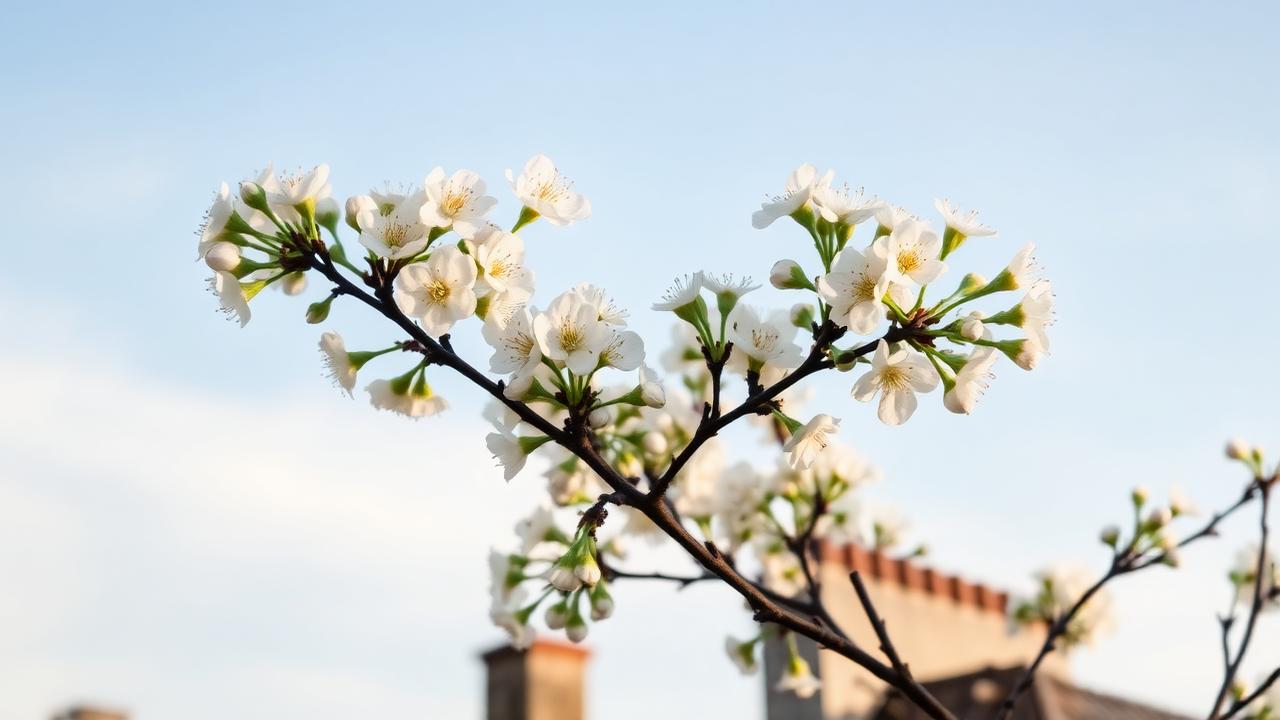
The 2026 pollen calendar in Belgium
Like the rest of the Brussels-Capital Region, Anderlecht sees several waves of pollen every year. According to the forecasts of the Royal Meteorological Institute (RMI), produced with Sciensano, the 2026 seasons break down as follows:
- early trees: hazel and alder from mid-January to mid-March, then ash from late February to late March;
- birch, a highly allergenic pollen: from early March to early May, followed by oak from April to mid-May;
- grasses: from mid-May to early August;
- mugwort: from late July to early September.
Sciensano analyses pollen samples every working day and publishes the measured levels and risk forecasts on its AirAllergy website (airallergy.sciensano.be). Monitoring resumes every year in early January, when the hazel starts to flower.
Symptoms: when should you see a GP in Anderlecht?
Seasonal allergic rhinitis, or hay fever, typically causes sneezing, a runny or blocked nose, itchy, red or watery eyes, and sometimes a cough or a loss of smell. Symptoms can last for weeks or even months during the pollen season.
See your GP if your symptoms get worse, do not improve with pharmacy treatments, or disturb your sleep, your work or your child's schooling. If you have a lasting cough, wheezing or shortness of breath, do not wait: pollen allergy can go hand in hand with asthma. Our cough guide helps you spot warning signs.
First-line treatments
Treatment rests on three pillars. First, reducing exposure to pollen (see our tips below). Second, antihistamines (for example cetirizine, loratadine or desloratadine) as tablets, drops or nasal sprays: newer ones cause less drowsiness, although some still can. Third, steroid nasal sprays (for example mometasone or fluticasone) when nasal symptoms are marked. Antihistamine eye drops are also available for the eyes.
If the allergy remains disabling despite these treatments, your doctor may discuss allergen immunotherapy (desensitisation) with you, as tablets or injections. It usually starts a few months before the pollen season and is decided after an allergy assessment.
Practical tips during the season
- Check the pollen forecasts (Sciensano's AirAllergy, RMI) and limit outdoor activities on high-risk days.
- Keep doors and windows shut as much as possible during pollen peaks.
- After being outdoors, shower, change your clothes and wash your hair, at the latest before going to bed.
- Do not dry your laundry outside.
- Wear wraparound sunglasses to protect your eyes.
- Rinse your nose regularly.
Parc Astrid and the other green spaces in the neighbourhood are still lovely, but on peak days it is better to keep long walks short if you are allergic.
At Maison Médicale Parc Astrid, our GPs provide follow-up under the flat-rate system: no payment at the consultation; your health insurance fund pays the practice a monthly flat fee. This includes the consultation, prescriptions, adjusting treatment from one season to the next and, if needed, referral to an allergist. Register as a new patient to benefit from it.
Do you need allergy tests?
Skin prick tests are useful if avoiding pollen and treatment are not enough, or before considering desensitisation. They are done by a specialist. A blood test (specific IgE) can complete the assessment.
Good habit: keep a symptom diary (date, severity, circumstances) for two weeks before your appointment and compare it with the pollen forecasts: it helps the doctor identify which pollens are to blame.
Sources
Reviewed and validated by
Read next
24 October 2026
Blood test: fasting or not? Preparation and results
Do you need to fast before a blood test? Cholesterol, blood sugar, medicines, what to expect and your results: our advice in Anderlecht.
Read17 October 2026
Vitamin D in winter: who needs a supplement in Belgium?
Vitamin D in winter in Belgium: why your skin makes so little, who needs a supplement, which dose, when to test and how to avoid an overdose.
Read
23 March 2026
Adult vaccination: Belgian schedule 2026 and INAMI reimbursement
Vaccines recommended for adults in Belgium in 2026 by the Superior Health Council: tetanus-whooping cough, flu, COVID-19, shingles, pneumococcus, RSV, HPV.
Read